As a supplier of Port Building Piles, I've witnessed firsthand the widespread use and advantages of pre - cast port building piles in various projects. However, it's essential to be transparent about the potential drawbacks associated with these piles. In this blog, I'll delve into the disadvantages of using pre - cast port building piles to provide a comprehensive view for industry professionals and potential clients.
High Initial Investment
One of the most significant disadvantages of pre - cast port building piles is the high initial investment required. Manufacturing pre - cast piles involves specialized equipment, molds, and a controlled production environment. The cost of setting up a pre - casting plant, including land acquisition, machinery installation, and labor, can be substantial.
For instance, the production of large - diameter pre - cast piles demands heavy - duty machinery for casting, curing, and handling. These machines are expensive to purchase and maintain. Additionally, the molds used for pre - casting need to be designed and fabricated precisely, which also adds to the upfront costs. This high initial investment can be a deterrent for small - scale port construction projects or those with limited budgets.
Limited Flexibility in Design
Pre - cast piles are manufactured in a factory setting according to pre - determined specifications. Once the molds are created, it can be challenging and costly to make design changes. In port construction, the geological and environmental conditions can vary significantly from one site to another. A design that works well in one location may not be suitable for another.
For example, if the soil conditions at a port site turn out to be softer than initially anticipated, the pre - cast piles may not provide sufficient bearing capacity. Modifying the design of pre - cast piles to increase their diameter or length after they have been manufactured is often not feasible. This lack of flexibility can lead to additional costs and delays in the project as alternative solutions need to be explored.
Transportation and Handling Challenges
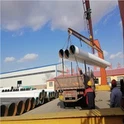
Transporting pre - cast piles from the manufacturing plant to the port construction site can be a logistical nightmare. Pre - cast piles are large, heavy, and bulky, which makes them difficult to transport. Specialized transportation equipment, such as flatbed trucks or barges, is required, and the cost of transportation can be high, especially for long - distance hauls.
During transportation, there is also a risk of damage to the piles. Bumps, vibrations, and improper handling can cause cracks or other structural defects in the piles. Once the piles reach the construction site, handling them safely and accurately requires skilled labor and appropriate equipment. Incorrect handling can further damage the piles, leading to additional costs for repairs or replacements.
Difficulty in Installation in Challenging Conditions
Port construction sites often present challenging geological and environmental conditions. Pre - cast piles may face difficulties during installation in such conditions. For example, in areas with hard rock layers or dense soil, driving pre - cast piles into the ground can be extremely difficult. Specialized equipment, such as pile hammers with high energy output, may be required, which can increase the cost and time of installation.
In addition, in areas with high water tables or soft, marshy soils, pre - cast piles may experience issues with settlement and stability. The piles may not be able to penetrate the soil deeply enough to provide adequate support, or they may start to tilt or sink over time. This can compromise the integrity of the port structure and require additional foundation work.
Environmental Impact
The production of pre - cast piles has a significant environmental impact. The manufacturing process consumes a large amount of energy, mainly in the form of electricity and fuel for machinery. The extraction of raw materials, such as cement, steel, and aggregates, also contributes to environmental degradation.
Cement production, in particular, is a major source of greenhouse gas emissions. The transportation of pre - cast piles from the factory to the construction site further adds to the carbon footprint. In today's environmentally conscious world, these factors can be a concern for port developers who are looking to minimize the environmental impact of their projects.
Risk of Quality Control Issues
Although pre - cast piles are manufactured in a controlled factory environment, there is still a risk of quality control issues. The quality of pre - cast piles depends on various factors, such as the quality of raw materials, the manufacturing process, and the curing conditions. If any of these factors are not properly managed, it can lead to defects in the piles.
For example, improper mixing of concrete can result in weak spots or honeycombing in the piles. Inadequate curing can lead to reduced strength and durability. These quality control issues may not be immediately apparent and can only be detected through non - destructive testing or in some cases, after the piles have been installed. Detecting and rectifying these issues after installation can be costly and time - consuming.
Long Lead Times
The production of pre - cast piles requires a significant amount of time. From the design phase to the manufacturing and delivery of the piles, the lead times can be long. This can be a problem for port construction projects with tight schedules.
For instance, if a project is delayed due to unforeseen circumstances, such as bad weather or regulatory issues, the long lead times for pre - cast piles may cause further delays. The project team may have to wait for the next batch of piles to be manufactured, which can push back the completion date of the project and increase the overall cost.
Cost - Benefit Analysis
When considering the disadvantages of pre - cast port building piles, it's important to conduct a cost - benefit analysis. While pre - cast piles have their drawbacks, they also offer several advantages, such as high quality, consistent production, and faster installation in some cases.


For some projects, the benefits may outweigh the disadvantages. However, for others, alternative foundation solutions, such as cast - in - situ piles or driven piles, may be more suitable. It's crucial for port developers and engineers to carefully evaluate the specific requirements of each project and weigh the pros and cons of different pile types.
Conclusion
In conclusion, while pre - cast port building piles are a popular choice in the industry, they come with several disadvantages. The high initial investment, limited design flexibility, transportation and handling challenges, difficulty in installation in challenging conditions, environmental impact, risk of quality control issues, and long lead times are all factors that need to be considered.
As a supplier of Port Building Piles, I understand the importance of providing clients with a complete picture. We offer a range of products, including CE Piling Pipe, Jacket Offshore Platform Structure Pipe, and Wind Farm Pile System, and are committed to helping our clients make informed decisions. If you're considering a port construction project and have questions about the suitability of pre - cast piles or our other products, we encourage you to reach out to us for a detailed discussion and to explore the best solutions for your specific needs.
References
- Smith, J. (2018). Foundation Engineering for Port Structures. Elsevier.
- Johnson, R. (2019). Pre - Cast Concrete in Civil Engineering: Design and Construction. McGraw - Hill.
- Brown, A. (2020). Environmental Impact of Construction Materials. Routledge.