Hey there! I'm an underground pile supplier, and today I wanna talk about the environmental impacts of underground pile construction. It's a topic that's been on my mind a lot lately, especially as more and more people are becoming concerned about the environment.
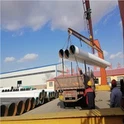
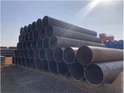
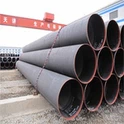
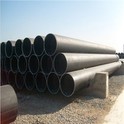
Let's start with the basics. Underground pile construction is a common method used in building foundations. It involves driving or drilling piles into the ground to provide support for structures like buildings, bridges, and offshore platforms. There are different types of piles, such as concrete piles, steel piles, and timber piles. As a supplier, I mainly deal with steel piles, which are popular for their strength and durability.
One of the most significant environmental impacts of underground pile construction is noise pollution. When piles are driven into the ground, it can create a lot of noise, especially in urban areas. This noise can be a nuisance to nearby residents and wildlife. For example, in a busy city center, the constant hammering or vibrating sounds from pile driving can disrupt people's daily lives. It can also affect the behavior and communication of animals in the area. Some birds might change their nesting or feeding patterns due to the noise, and marine mammals in coastal construction sites can be affected by underwater noise from pile driving.
Another impact is soil disturbance. During the pile installation process, the soil around the pile is displaced. This can lead to soil compaction, which changes the soil structure and can affect its permeability. When the soil is compacted, water infiltration is reduced, which can cause problems like surface runoff and flooding. In addition, the displacement of soil can also release sediment into nearby water bodies if the construction site is close to rivers, lakes, or the ocean. This sediment can harm aquatic ecosystems by reducing water clarity and smothering aquatic plants and animals.
Then there's the issue of energy consumption. Pile construction requires a significant amount of energy. For instance, the machinery used for pile driving or drilling, such as hydraulic hammers or rotary drills, consumes a lot of fuel. In the case of steel pile production, the manufacturing process also uses a large amount of energy. From mining the iron ore to processing it into steel and then fabricating the piles, each step requires energy. This energy consumption contributes to greenhouse gas emissions, which are a major cause of climate change.
Now, let's talk about the potential impacts on water quality. If the pile construction involves the use of chemicals, such as anti - corrosion coatings for steel piles, these chemicals can leach into the soil and groundwater. Some of these chemicals can be harmful to human health and the environment. For example, certain heavy metals in the coatings can contaminate the water supply if they seep into the groundwater. Also, during the construction process, wastewater from activities like equipment cleaning can contain oil, grease, and other pollutants. If this wastewater is not properly treated before being discharged, it can pollute nearby water sources.


But it's not all bad news. There are ways to mitigate these environmental impacts. For noise pollution, modern pile driving techniques are being developed to reduce noise. For example, some hydraulic hammers are designed to operate more quietly. Also, using sound barriers around the construction site can help to block the noise from reaching nearby areas.
To reduce soil disturbance, some construction methods use pre - drilled holes before inserting the piles. This can minimize the amount of soil displacement. And for sediment control, construction sites can use sediment control measures like silt fences and sediment basins to trap the sediment before it reaches water bodies.
In terms of energy consumption, there are more energy - efficient machinery and manufacturing processes being introduced. For example, some new pile driving equipment uses electric power instead of diesel, which reduces emissions. And in the steel manufacturing industry, there are efforts to recycle more steel, which requires less energy compared to producing new steel from raw materials.
When it comes to water quality, proper management of chemicals and wastewater is crucial. Construction companies should follow strict regulations for chemical storage and use, and ensure that wastewater is treated before discharge.
As an underground pile supplier, I'm always looking for ways to offer more environmentally friendly products. We offer Bridge Building Structure Pipe and Pile, which are made with high - quality steel and designed to be durable, reducing the need for frequent replacements. Our CE Piling Pipe meets international standards and is produced with an eye on minimizing environmental impacts. And our EN10219 S355J0H Structural Pipe is a great option for various construction projects, offering both strength and environmental considerations.
If you're in the market for underground piles, I encourage you to reach out and have a chat with us. We can discuss your specific project needs and how we can provide solutions that are not only effective but also more environmentally friendly. We're committed to working with you to minimize the environmental impacts of your construction projects while still ensuring the quality and safety of the foundations.
In conclusion, while underground pile construction has some environmental impacts, there are ways to manage and reduce these impacts. By being aware of these issues and taking appropriate measures, we can make the construction process more sustainable. Whether you're a construction company, an engineer, or someone involved in a building project, it's important to consider the environmental aspects of pile construction. And as your underground pile supplier, I'm here to support you every step of the way.
References
- "Environmental Impacts of Construction Activities" - A research report on construction - related environmental issues.
- "Pile Foundation Design and Construction" - A comprehensive book on pile construction methods and their associated impacts.