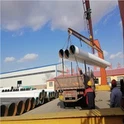
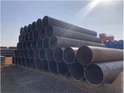
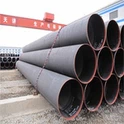
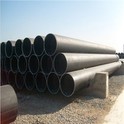
As a dedicated supplier of Wind Farm Pile Systems, I understand the critical importance of ensuring the quality and reliability of these structures. A newly installed wind farm pile system must undergo a comprehensive inspection to guarantee its safety, durability, and performance. In this blog, I will outline the key inspection items that are essential for a newly installed wind farm pile system.
1. Structural Integrity Inspection
The structural integrity of the wind farm pile system is of utmost importance. This inspection focuses on the physical condition of the piles, jackets, and other components to ensure they can withstand the harsh environmental conditions and operational loads.


Pile Inspection
- Visual Inspection: Conduct a thorough visual inspection of the piles to check for any visible defects such as cracks, dents, or corrosion. Cracks can significantly weaken the structural integrity of the pile, while dents may affect its load - bearing capacity. Corrosion can also lead to material degradation over time.
- Wall Thickness Measurement: Use ultrasonic testing or other non - destructive testing methods to measure the wall thickness of the piles. A reduction in wall thickness due to corrosion or wear can compromise the pile's strength. For example, our Jacket Offshore Platform Structure Pipe is designed to have a specific wall thickness to meet the required structural standards, and regular thickness checks are necessary.
- Straightness Check: Ensure that the piles are straight within the specified tolerance. Any significant deviation from straightness can cause uneven loading on the pile and the overall wind farm structure.
Jacket Inspection
- Joint Inspection: Examine the welded and bolted joints in the jacket structure. Welds should be inspected for proper penetration, lack of fusion, and porosity. Bolted joints should be checked for proper torque and any signs of loosening. Loose joints can lead to structural instability and increased vibration.
- Member Alignment: Verify that all members of the jacket are correctly aligned. Misaligned members can cause stress concentrations and reduce the overall strength of the structure.
2. Foundation Inspection
The foundation of the wind farm pile system provides the necessary support for the entire structure. A proper foundation inspection is crucial to ensure long - term stability.
Pile Driving Inspection
- Penetration Depth: Confirm that the piles have been driven to the specified depth. Insufficient penetration depth can result in inadequate support for the wind turbine and increase the risk of settlement.
- Pile Resistance: Measure the pile resistance during driving to ensure it meets the design requirements. Unusual pile resistance values may indicate issues such as hard layers or obstructions in the soil.
Soil Investigation
- Soil Properties: Conduct soil tests to determine the properties of the soil at the foundation site. Parameters such as soil density, cohesion, and internal friction angle are essential for assessing the foundation's bearing capacity. Changes in soil properties over time can also affect the stability of the pile system.
- Settlement Monitoring: Install settlement monitoring devices to track any settlement of the foundation over time. Excessive settlement can lead to misalignment of the wind turbine and potential damage to the pile system.
3. Material Quality Inspection
The quality of the materials used in the wind farm pile system directly impacts its performance and durability.
Steel Quality
- Chemical Composition Analysis: Analyze the chemical composition of the steel used in the piles and jackets to ensure it meets the specified standards. For instance, our C350 L0 AS1163 Australia Structure Pipe has a specific chemical composition that provides excellent mechanical properties.
- Mechanical Property Testing: Perform tests such as tensile tests, hardness tests, and impact tests on the steel samples to evaluate their mechanical properties. These tests help ensure that the steel can withstand the expected loads and environmental conditions.
Coating Quality
- Coating Thickness: Measure the thickness of the protective coating on the piles and jackets. A proper coating thickness is essential for preventing corrosion.
- Coating Adhesion: Check the adhesion of the coating to the steel surface. Poor adhesion can lead to coating delamination and expose the steel to corrosion.
4. Installation Alignment and Leveling
Proper alignment and leveling of the wind farm pile system are critical for the efficient operation of the wind turbine.
Turbine Tower Alignment
- Verticality Check: Ensure that the turbine tower is installed vertically within the specified tolerance. A misaligned tower can cause increased stress on the pile system and affect the performance of the wind turbine.
- Horizontal Leveling: Check the horizontal leveling of the tower base. Uneven leveling can lead to uneven loading on the piles and potential structural damage.
Blade Clearance
- Blade - Tower Clearance: Verify that there is sufficient clearance between the turbine blades and the tower. Inadequate clearance can cause blade - tower collisions, which can be catastrophic for the wind turbine.
5. Electrical and Instrumentation Inspection
In modern wind farm pile systems, electrical and instrumentation components play a vital role in monitoring and controlling the operation of the wind turbine.
Electrical System Inspection
- Cable Installation: Check the installation of electrical cables to ensure they are properly routed, secured, and protected. Damaged cables can cause electrical failures and pose a safety hazard.
- Grounding System: Inspect the grounding system to ensure it provides effective protection against electrical faults. A proper grounding system is essential for the safety of the wind turbine and its operators.
Instrumentation Inspection
- Sensor Functionality: Test the functionality of sensors used for monitoring various parameters such as wind speed, direction, and turbine vibration. Malfunctioning sensors can lead to inaccurate data and improper operation of the wind turbine.
- Data Transmission: Ensure that the data transmission from the sensors to the control system is reliable. Any interruption in data transmission can affect the performance and safety of the wind turbine.
6. Documentation Review
A comprehensive review of the installation documentation is an important part of the inspection process.
Installation Records
- Pile Driving Records: Review the pile driving records, including driving time, hammer energy, and pile penetration data. These records can provide valuable information about the installation process and help identify any potential issues.
- Welding and Assembly Records: Check the welding and assembly records to ensure that all welding and assembly operations were performed in accordance with the specified procedures and standards.
Design Documents
- Structural Design Drawings: Compare the installed wind farm pile system with the structural design drawings to ensure compliance with the design requirements. Any deviations from the design should be carefully evaluated and approved.
- Material Specifications: Review the material specifications to confirm that the materials used in the installation meet the design requirements.
Conclusion
A newly installed wind farm pile system requires a comprehensive inspection to ensure its safety, reliability, and performance. By conducting inspections in the areas of structural integrity, foundation, material quality, installation alignment, electrical and instrumentation, and documentation review, we can identify and address any potential issues before they become major problems.
If you are in the market for high - quality Wind Farm Pile Systems, we are here to provide you with the best solutions. Our products, such as Jacket Offshore Platform Structure Pipe, C350 L0 AS1163 Australia Structure Pipe, and ASTM A252 Grade 3 Mild Steel Pipe Piles, are designed to meet the highest industry standards. Contact us to discuss your specific requirements and start a procurement negotiation today.
References
- API RP 2A - WSD, "Recommended Practice for Planning, Designing, and Constructing Fixed Offshore Platforms - Working Stress Design".
- ISO 19902, "Petroleum and natural gas industries - Fixed steel offshore structures".
- DNV - GL Standards, "Design of Offshore Wind Turbine Structures".