Hey there! I'm a supplier of CE Piling Pipe, and today I want to chat about something super important in our industry: the impact of water content on the performance of CE Piling Pipe in soil.
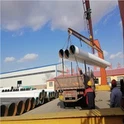
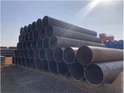
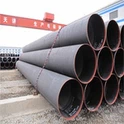
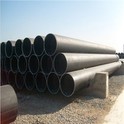
Let's start by understanding what CE Piling Pipe is. It's a high - quality steel pipe that meets the CE certification standards. We offer different types of CE Piling Pipe, like the EN10219 S355J0H, High Building Structure Pipe, and EN10219 S355J0H Structural Pipe. These pipes are widely used in construction projects, especially for piling work where they need to be driven deep into the soil to provide stable foundations.
Now, water content in soil is a game - changer when it comes to how our CE Piling Pipe performs. Soil isn't just dry dirt; it's a complex mixture of solids, liquids (mainly water), and gases. The amount of water in the soil can vary greatly depending on the location, weather conditions, and the type of soil itself.
Effects on Soil Properties
First off, water content affects the physical properties of the soil. When the soil has a low water content, it tends to be more compact and dense. This means that when we try to drive a CE Piling Pipe into it, there's a lot more resistance. The pipe has to push through tightly packed soil particles, which can put a lot of stress on the pipe. It might lead to issues like pipe bending or even cracking if the force required to drive the pipe is too high.
On the other hand, when the water content is high, the soil becomes more like a slurry. The water acts as a lubricant between the soil particles, reducing the friction. In some cases, this might seem like it would make it easier to drive the pipe. But here's the catch: high - water - content soil also has lower shear strength. Shear strength is the soil's ability to resist forces that cause it to slide or deform. When the soil has low shear strength, the pipe might not get the proper support it needs once it's in place. The foundation could become unstable over time, which is a huge problem for any construction project.


Impact on Pipe - Soil Interaction
The interaction between the CE Piling Pipe and the soil is crucial for the overall performance of the piling system. Water content plays a big role in this interaction.
In dry soil, the pipe - soil contact is more of a mechanical one. The pipe has to physically displace the soil particles as it's driven in. This can cause the soil around the pipe to compact further, creating a zone of high - stress around the pipe. This high - stress zone can affect the long - term integrity of the pipe. The pipe might experience fatigue over time due to the continuous stress from the compacted soil.
In wet soil, the pipe - soil interaction is more complex. The water can cause corrosion of the pipe surface. Steel pipes, like our CE Piling Pipe, are susceptible to rust when in contact with water for extended periods. Corrosion can weaken the pipe wall, reducing its strength and durability. Also, the water can create a hydrostatic pressure around the pipe. This pressure can push the pipe out of alignment or cause it to float if the buoyant forces are strong enough.
Influence on Installation Process
The water content in the soil also has a significant impact on the installation process of CE Piling Pipe.
In low - water - content soil, we might need to use more powerful equipment to drive the pipe. This could mean using larger pile hammers or more advanced hydraulic driving systems. These methods are more expensive and time - consuming. Also, the risk of damaging the pipe during installation is higher due to the high resistance from the soil.
When the soil has a high water content, the installation process can be faster in terms of driving the pipe into the ground. However, we need to take extra precautions to ensure the stability of the pipe. We might need to use additional techniques like grouting to improve the bond between the pipe and the soil. Grouting involves injecting a special material into the soil around the pipe to increase its strength and stability.
Performance in Different Soil Types
The impact of water content varies depending on the type of soil. For example, in sandy soil, water can quickly drain away. So, the water content might not have a long - term effect on the soil's properties. But during the installation process, if the sand is wet, it can be easier to drive the pipe in. However, the sand might not provide as much lateral support to the pipe as other soil types.
In clayey soil, water has a more significant impact. Clay can absorb a large amount of water, which can cause it to swell. When the clay swells, it can put a lot of pressure on the CE Piling Pipe. This pressure can lead to pipe deformation or even failure. On the other hand, when the clay dries out, it shrinks, which can create gaps between the pipe and the soil, reducing the pipe's stability.
Mitigating the Effects
As a CE Piling Pipe supplier, we understand the importance of dealing with the impact of water content. There are several ways to mitigate these effects.
One way is to choose the right type of pipe for the soil conditions. For example, if the soil has a high water content and is prone to corrosion, we can offer pipes with special coatings. These coatings act as a barrier between the pipe and the water, preventing corrosion.
Another approach is to pre - treat the soil before installing the pipe. This could involve draining the excess water from the soil or adding stabilizing agents. By improving the soil's properties, we can ensure better performance of the CE Piling Pipe.
We also need to monitor the water content during the installation process. By using sensors and other monitoring equipment, we can adjust the installation methods accordingly. If the water content is too high, we can slow down the installation process and take extra steps to ensure the pipe's stability.
Conclusion
In conclusion, the water content in soil has a profound impact on the performance of CE Piling Pipe. It affects the soil properties, the pipe - soil interaction, the installation process, and the long - term stability of the piling system. As a supplier, we're constantly working to provide solutions that can help our customers deal with these challenges.
If you're involved in a construction project that requires CE Piling Pipe, I encourage you to reach out and have a chat with us. We can help you choose the right pipe for your specific soil conditions and offer advice on installation and maintenance. Don't hesitate to contact us for more information and to start a procurement discussion.
References
- Bowles, J. E. (1996). Foundation analysis and design (5th ed.). McGraw - Hill.
- Terzaghi, K., Peck, R. B., & Mesri, G. (1996). Soil mechanics in engineering practice (3rd ed.). Wiley.
- Tomlinson, M. J., & Woodward, J. (2008). Pile design and construction practice (5th ed.). Spon Press.