


As a supplier of ASTM A252 Grade 2 steel, I've had numerous in - depth discussions with customers about its properties, applications, and most importantly, its weldability rating. In this blog, I aim to delve deep into the weldability of ASTM A252 Grade 2, providing a comprehensive understanding for both industry veterans and those new to the field.
Understanding ASTM A252 Grade 2
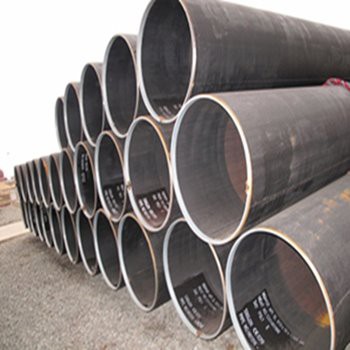
ASTM A252 is a standard specification for welded and seamless steel pipe piles. Grade 2, in particular, is widely used due to its balance of strength and cost - effectiveness. It has a minimum yield strength of 35,000 psi (241 MPa) and a minimum tensile strength of 60,000 psi (414 MPa). These mechanical properties make it suitable for a variety of structural applications, including Wind Farm Pile System, Offshore Structure Pipe, and Undergroud Pile.
Factors Affecting Weldability
Weldability refers to the ability of a material to be welded into a sound joint with specified properties and service requirements. Several factors influence the weldability of ASTM A252 Grade 2:
Chemical Composition
The chemical composition of ASTM A252 Grade 2 plays a crucial role in its weldability. It typically contains elements such as carbon (C), manganese (Mn), phosphorus (P), sulfur (S), and silicon (Si). Carbon is the most influential element in terms of weldability. Higher carbon content generally leads to increased hardness in the heat - affected zone (HAZ) after welding, which can result in cracking. For ASTM A252 Grade 2, the carbon content is usually kept at a relatively low level to maintain good weldability. Manganese helps to improve the strength and toughness of the steel, and it also has a positive effect on weldability by reducing the harmful effects of sulfur. Phosphorus and sulfur are impurities that should be minimized as they can cause brittleness and cracking in the weld.

Microstructure
The microstructure of ASTM A252 Grade 2 steel also affects its weldability. A fine - grained microstructure generally provides better weldability compared to a coarse - grained one. During the welding process, the heat input can cause changes in the microstructure of the HAZ. If the heat input is too high, the grains in the HAZ may grow, leading to reduced toughness and increased susceptibility to cracking.
Welding Process
The choice of welding process is another important factor. Common welding processes for ASTM A252 Grade 2 include shielded metal arc welding (SMAW), gas metal arc welding (GMAW), and submerged arc welding (SAW). Each process has its own characteristics and requirements. For example, SMAW is a relatively simple and portable process, but it may require more skill from the welder. GMAW is known for its high welding speed and good quality, but it requires a shielding gas. SAW is suitable for large - scale welding operations and can produce high - quality welds with high deposition rates.
Weldability Rating of ASTM A252 Grade 2
ASTM A252 Grade 2 generally has a good weldability rating. Thanks to its relatively low carbon content and appropriate alloying elements, it can be welded using common welding processes with proper welding procedures.
Pre - welding Considerations
Before welding ASTM A252 Grade 2, it is important to clean the surfaces to be welded to remove any rust, oil, or other contaminants. Pre - heating may also be required in some cases, especially when welding thick sections or in cold environments. Pre - heating helps to reduce the cooling rate in the HAZ, preventing the formation of hard and brittle microstructures.
Welding Parameters
Proper welding parameters, such as welding current, voltage, and travel speed, need to be selected to ensure a good weld. For example, if the welding current is too high, it can cause excessive heat input, leading to grain growth and other problems. On the other hand, if the current is too low, the weld may not penetrate properly.
Post - welding Treatment
Post - welding heat treatment (PWHT) may be necessary in some applications to relieve residual stresses and improve the mechanical properties of the weld. PWHT typically involves heating the welded joint to a specific temperature and holding it for a certain period of time before cooling it slowly.
Applications and Weldability
In applications such as wind farm pile systems, offshore structure pipes, and underground piles, the weldability of ASTM A252 Grade 2 is of utmost importance. In wind farm pile systems, the welded joints need to withstand high - wind loads and cyclic stresses. Good weldability ensures that the joints are strong and durable, reducing the risk of failure. Similarly, in offshore structure pipes, the welds must be able to resist corrosion and the harsh marine environment. For underground piles, the welds need to have sufficient strength to support the load of the structure above.
Quality Assurance
To ensure the quality of the welds in ASTM A252 Grade 2 steel, strict quality control measures should be implemented. This includes non - destructive testing (NDT) methods such as ultrasonic testing (UT), radiographic testing (RT), and magnetic particle testing (MT) to detect any internal or surface defects in the weld. Destructive testing, such as tensile testing and impact testing, can also be used to evaluate the mechanical properties of the weld.
Conclusion
In conclusion, ASTM A252 Grade 2 has a good weldability rating, which makes it a popular choice for various structural applications. However, to achieve high - quality welds, it is essential to consider factors such as chemical composition, microstructure, welding process, pre - welding preparation, welding parameters, and post - welding treatment. By following proper welding procedures and quality control measures, we can ensure that the welded joints meet the required standards and service requirements.
If you are interested in purchasing ASTM A252 Grade 2 steel for your projects, I invite you to contact us for more information and to discuss your specific needs. We are committed to providing high - quality products and excellent service to our customers.
References
- ASTM International. ASTM A252/A252M - 20 Standard Specification for Welded and Seamless Steel Pipe Piles.
- ASM Handbook, Volume 6: Welding, Brazing, and Soldering.
- Welding Metallurgy and Weldability of Stainless Steels by John C. Lippold and David J. Kotecki.


