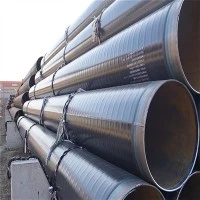
Oil and gas pipeline construction is a comprehensive project requiring extensive assessments before construction. The pipeline route planning and design directly impact project quality, operational safety, service life, and subsequent maintenance costs. Whether it's a long-distance onshore trunk pipeline, an urban distribution network, or a specialized subsea pipeline, it's essential to proactively identify and address potential environmental, technical, and operational risks. Thorough planning ensures the pipeline can stably, continuously, and safely deliver energy during its service life.
Topography and geological conditions are the most fundamental reference points for pipeline construction, largely determining the pipeline route, construction methods, and pipe material selection. Engineers need to conduct on-site surveys beforehand, avoiding steep slopes, subsidence areas, and unstable zones prone to landslides and debris flows to prevent pipeline displacement and damage later on. In flat areas, conventional underground construction is generally used, which is simple to operate and easy to maintain. However, in mountainous areas, river channels, and sections where highways and railways intersect, specialized techniques such as directional drilling, pipe jacking, and overhead laying are required. Simultaneously, soil properties and foundation bearing capacity require detailed testing. Corrosive soils necessitate enhanced anti-corrosion treatment, and soft foundations require reinforcement to prevent pipeline settlement and leakage. For subsea pipelines, seabed topography, ocean currents, submarine faults, and silt erosion must also be considered to ensure overall pipeline stability.
Safety protection and adaptation to transportation processes are the most crucial aspects of pipeline construction. Oil and natural gas are both flammable and explosive media; improper laying methods can easily lead to leaks, explosions, and environmental pollution. Therefore, pipelines must maintain sufficient safety distances from residential areas, public facilities, and flammable and explosive industrial areas, reserving protective space. Construction plans need to be flexibly adjusted according to the transported medium: crude oil has high viscosity and is prone to waxing and solidification at low temperatures; pipelines in cold regions need to reserve installation locations for heating and pigging equipment. Natural gas is prone to hydrate buildup during high-pressure transportation, necessitating the proper placement of compressors, pressure regulators, and antifreeze equipment to ensure stable transportation. Furthermore, pipelines will be equipped with shut-off valves and emergency venting devices in sections to quickly isolate pipeline sections and control the scope of the accident in case of a fault.
Ecological protection and land compliance are essential considerations for modern pipeline engineering. Pipeline planning must proactively avoid ecologically sensitive areas such as nature reserves, water sources, basic farmland, and wetlands to minimize disturbance to soil, water, and vegetation. During construction, dust and construction waste must be effectively controlled, and the landscape and vegetation must be restored promptly after project completion to prevent soil erosion and ecological damage. All construction phases must comply with land use regulations and complete relevant approval procedures. Optimizing the route can effectively reduce land occupation and construction scale. Submarine pipeline construction must avoid marine protected areas and aquaculture zones to minimize impact on marine ecosystems.
Construction feasibility and ease of subsequent operation and maintenance are also crucial. Optimizing the pipeline route and reducing unnecessary bends and complex crossings can effectively control construction costs and reduce energy consumption. Pipe materials are selected based on actual operating conditions: high-strength carbon steel pipes are commonly used for onshore trunk pipelines, corrosion-resistant PE pipes are used for urban low-pressure gas pipelines, and specialized pipes with insulation and counterweight protection are used for deep-sea pipelines. Simultaneously, supporting facilities such as pumping stations, compressor stations, distribution stations, and monitoring systems need to be planned and rationally laid out to form a complete operational system. Sufficient working space must be reserved during construction to facilitate subsequent inspections, maintenance, pipeline cleaning, and equipment replacement, improving long-term operational efficiency.
Regional climate and hydrological environment directly affect the long-term operational stability of pipelines. Pipeline design needs to be tailored to local environmental characteristics: in high-altitude and cold regions, emphasis should be placed on insulation and antifreeze measures to prevent crude oil freezing and pipeline cracking; in high-temperature and arid regions, corrosion and sun protection should be strengthened; in areas prone to floods and typhoons, flood control and erosion prevention structures need to be improved to enhance the pipeline's disaster resistance. All pipeline sections crossing rivers and around lakes must be reinforced and protected to prevent long-term erosion by water flow and flood season impacts, which could lead to pipeline exposure and damage.
Finally, the economic efficiency and long-term planning of the project cannot be ignored. Pipeline construction needs to align with regional energy development plans, connecting oil and gas production areas, pipeline hubs, and end users to maintain a balance between energy supply and demand. While meeting safety, quality, and environmental standards, construction plans should be optimized, investment costs and construction periods should be reasonably controlled, and short-term investment and long-term operational benefits should be considered. Furthermore, the design needs to be forward-looking, reserving space for pipeline expansion and branch line extensions to adapt to future growth in energy demand and enhance the long-term value of the pipeline system.