How to improve the fatigue resistance of a wind farm pile system?
As a supplier of wind farm pile systems, I understand the critical importance of enhancing the fatigue resistance of these structures. Wind farms operate in harsh environments, where piles are constantly subjected to cyclic loading from wind, waves, and currents. Improving fatigue resistance not only extends the lifespan of the pile system but also ensures the long - term stability and safety of the entire wind farm. In this blog, I will share several effective strategies based on my industry experience.
1. Material Selection
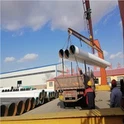
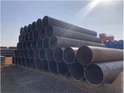
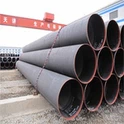
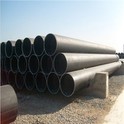
The choice of materials is fundamental to improving the fatigue resistance of a wind farm pile system. High - quality steel with excellent mechanical properties is often the preferred option. For instance, ASTM A252 Grade 3 Mild Steel Pipe Piles are widely used in wind farm pile construction. These piles are made of mild steel, which has good ductility and toughness. Ductility allows the material to deform plastically under cyclic loading without immediate fracture, while toughness helps the pile to absorb energy during the loading process.
In addition to mild steel, some advanced alloy steels can also be considered. Alloy steels are formulated by adding specific elements such as chromium, nickel, and molybdenum. These elements can improve the strength, hardness, and corrosion resistance of the steel, thereby enhancing its fatigue performance. However, the use of alloy steels usually comes with a higher cost, so a cost - benefit analysis is necessary when making the material selection.
2. Structural Design Optimization
Proper structural design is another key factor in improving fatigue resistance. The shape and geometry of the pile can significantly affect its stress distribution under cyclic loading. For example, a tapered pile design can reduce stress concentrations at the pile head and toe. Stress concentrations are areas where the stress levels are much higher than the average stress in the structure, and they are prone to initiate fatigue cracks. By tapering the pile, the stress can be more evenly distributed along the pile length, reducing the risk of crack initiation.
Moreover, the connection design between the pile and other components in the wind farm, such as the foundation and the turbine, is crucial. A well - designed connection should be able to transfer loads smoothly and evenly without creating excessive stress concentrations. For example, using welded connections with proper welding techniques and pre - heating can improve the integrity of the connection and enhance its fatigue resistance.
Another aspect of structural design optimization is the use of stiffeners. Stiffeners can be added to the pile wall to increase its local stiffness and reduce deformation under cyclic loading. This helps to maintain the structural integrity of the pile and prevent the formation of fatigue cracks. For instance, in High Building Structure Pipe, stiffeners are often used to enhance the overall performance of the structure, and the same principle can be applied to wind farm piles.


3. Surface Treatment
Surface treatment plays an important role in improving the fatigue resistance of wind farm piles. The surface of the pile is the first part to be exposed to the external environment and cyclic loading. Corrosion is a major factor that can accelerate fatigue crack initiation and propagation. Therefore, applying anti - corrosion coatings is essential.
There are various types of anti - corrosion coatings available, such as epoxy coatings, zinc coatings, and polyurethane coatings. Epoxy coatings have good adhesion and chemical resistance, which can effectively protect the pile surface from corrosion. Zinc coatings work through a process called galvanization, where zinc acts as a sacrificial anode to protect the steel from corrosion. Polyurethane coatings offer excellent weather resistance and durability, making them suitable for long - term use in harsh offshore environments.
In addition to anti - corrosion coatings, surface hardening treatments can also be applied. Shot peening is a common surface hardening method. It involves bombarding the pile surface with small metal shots, which creates a compressive residual stress layer on the surface. Compressive residual stress can counteract the tensile stress generated during cyclic loading, thereby reducing the risk of crack initiation and improving the fatigue life of the pile.
4. Installation and Construction Quality Control
The installation and construction process of the wind farm pile system can have a significant impact on its fatigue resistance. During the pile driving process, for example, improper driving techniques can cause damage to the pile, such as cracks or deformation. Therefore, it is necessary to use appropriate pile driving equipment and follow strict driving procedures.
The driving energy and frequency should be carefully controlled to ensure that the pile is installed without excessive stress. For offshore piles, the use of hydraulic hammers is often preferred over diesel hammers because hydraulic hammers can provide more precise control over the driving process.
In addition, quality control during the welding and assembly of the pile system is crucial. Welding defects, such as porosity, lack of fusion, and cracks, can significantly reduce the fatigue resistance of the pile. Therefore, welders should be highly skilled and follow strict welding standards. Non - destructive testing methods, such as ultrasonic testing and radiographic testing, should be used to detect and repair any welding defects before the pile is put into service.
5. Monitoring and Maintenance
Once the wind farm pile system is installed, continuous monitoring and maintenance are necessary to ensure its long - term fatigue resistance. Structural health monitoring systems can be installed to measure the stress, strain, and vibration of the piles in real - time. These systems can detect early signs of damage, such as crack initiation and propagation, and provide timely warnings for maintenance.
Regular inspections should also be carried out to check the condition of the pile surface, coatings, and connections. Any signs of corrosion, damage, or wear should be repaired immediately. For example, if the anti - corrosion coating is damaged, it should be repaired or reapplied to prevent further corrosion.
In the case of Offshore Structure Pipe, the monitoring and maintenance requirements are even more stringent due to the harsh offshore environment. Special attention should be paid to the effects of wave and current loading, as well as the impact of marine organisms on the pile surface.
Conclusion
Improving the fatigue resistance of a wind farm pile system is a comprehensive task that involves material selection, structural design optimization, surface treatment, installation and construction quality control, and monitoring and maintenance. As a wind farm pile system supplier, I am committed to providing high - quality products and solutions to meet the needs of our customers. By implementing these strategies, we can ensure that the wind farm pile system has a long service life and reliable performance.
If you are interested in our wind farm pile systems or have any questions about improving fatigue resistance, please feel free to contact us for procurement and further discussions. We look forward to working with you to build more reliable and efficient wind farms.
References
- ASTM International. (20XX). ASTM A252 Standard Specification for Welded and Seamless Steel Pipe Piles.
- Barsoum, R. S. (2008). Fundamentals of Materials Science and Engineering: An Integrated Approach. Wiley.
- Fisher, J. W., & Struik, J. H. (1974). Fatigue of Welded Structures. Pergamon Press.