How to Measure the Settlement of AS 1163 C350 Pipe Piles
As a trusted supplier of AS 1163 C350 pipe piles, I understand the importance of accurately measuring the settlement of these piles. Settlement measurement is a crucial aspect of construction projects, as it helps ensure the stability and safety of structures built on these piles. In this blog post, I will share some insights on how to measure the settlement of AS 1163 C350 pipe piles effectively.
Understanding AS 1163 C350 Pipe Piles
Before delving into the settlement measurement process, it's essential to have a basic understanding of AS 1163 C350 pipe piles. These piles are manufactured in accordance with the Australian Standard AS 1163 and are designed for use in various construction applications, including building foundations, bridges, and marine structures. The C350 grade indicates a minimum yield strength of 350 MPa, making these piles suitable for supporting heavy loads.
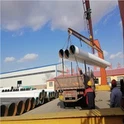
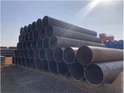
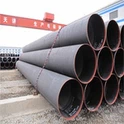
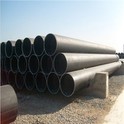
Our company offers a wide range of AS 1163 C350 pipe piles, including CE Piling Pipe, EN 10219 Structure Pipe, and C350 L0 AS1163 Australia Structure Pipe. These products are known for their high quality, durability, and compliance with industry standards.
Importance of Settlement Measurement
Settlement refers to the vertical displacement of a pile under load. It can occur due to various factors, such as soil consolidation, creep, and pile driving effects. Excessive settlement can lead to structural damage, including cracking, tilting, and uneven floors. Therefore, measuring settlement is crucial to ensure that the pile foundation can safely support the design loads and meet the required performance criteria.
By monitoring settlement over time, engineers can detect potential problems early and take appropriate measures to prevent further damage. Settlement measurement also provides valuable data for evaluating the performance of the pile foundation and validating the design assumptions.
Methods of Measuring Settlement
There are several methods available for measuring the settlement of pipe piles, each with its own advantages and limitations. The choice of method depends on various factors, such as the type of project, the accuracy requirements, and the available resources. Here are some commonly used methods:


1. Benchmarking
Benchmarking is a simple and cost-effective method for measuring settlement. It involves establishing a reference point (benchmark) on a stable structure or the ground surface near the pile. A leveling instrument, such as a theodolite or a total station, is used to measure the vertical distance between the benchmark and a target point on the pile head at regular intervals.
The change in this distance over time indicates the settlement of the pile. Benchmarking is suitable for long-term monitoring of settlement and can provide reliable results if the benchmark is stable and the measurements are taken accurately.
2. Inclinometers
Inclinometers are devices used to measure the inclination or tilt of a pile. They consist of a probe that is inserted into a casing installed in the pile. The probe contains sensors that measure the angle of inclination in two perpendicular directions.
By measuring the inclination of the pile at different depths, engineers can determine the amount and direction of settlement. Inclinometers are particularly useful for detecting lateral movement and differential settlement, which can indicate potential problems with the pile foundation.
3. Strain Gauges
Strain gauges are sensors that measure the strain or deformation of a pile under load. They are typically attached to the surface of the pile or embedded inside the pile during construction. The strain gauges convert the mechanical strain into an electrical signal, which can be measured and recorded.
By analyzing the strain data, engineers can determine the load distribution along the pile and calculate the settlement based on the known properties of the pile and the soil. Strain gauges are useful for measuring the short-term settlement of piles and can provide detailed information about the behavior of the pile under load.
4. Optical Surveys
Optical surveys involve using advanced optical instruments, such as laser scanners and photogrammetry, to measure the shape and position of the pile. These methods can provide high-resolution 3D models of the pile, allowing engineers to detect even small changes in the pile's geometry.
Optical surveys are suitable for measuring the settlement of large-scale projects and can provide accurate and detailed information about the settlement behavior of the pile foundation. However, they require specialized equipment and expertise and can be more expensive than other methods.
Steps for Measuring Settlement
Regardless of the method used, the following steps are generally involved in measuring the settlement of pipe piles:
1. Planning
Before starting the settlement measurement, it's important to develop a detailed plan that includes the measurement locations, the frequency of measurements, and the data collection and analysis procedures. The plan should also consider the potential sources of error and the measures to be taken to minimize them.
2. Installation of Monitoring Equipment
Once the plan is finalized, the monitoring equipment, such as benchmarks, inclinometers, strain gauges, or optical sensors, is installed on or in the pile. The installation should be carried out carefully to ensure that the equipment is properly aligned and secured.
3. Initial Measurements
After the installation of the monitoring equipment, the initial measurements are taken to establish the baseline conditions. These measurements are used as a reference for comparing the subsequent measurements and detecting any changes in the pile's settlement.
4. Regular Monitoring
The settlement of the pile is monitored at regular intervals throughout the construction process and after the completion of the project. The frequency of monitoring depends on various factors, such as the type of project, the stage of construction, and the expected settlement rate.
During each monitoring session, the measurements are taken using the selected method and recorded in a logbook or a data management system. The data should be carefully analyzed to identify any trends or anomalies in the settlement behavior.
5. Data Analysis and Reporting
The collected settlement data is analyzed to determine the amount, rate, and distribution of settlement. The results are compared with the design criteria and the acceptable limits to evaluate the performance of the pile foundation.
If the settlement exceeds the acceptable limits, further investigations may be required to determine the cause and take appropriate corrective measures. The settlement data is also used to prepare reports for the project stakeholders, including the client, the engineer, and the contractor.
Factors Affecting Settlement Measurement
Several factors can affect the accuracy and reliability of settlement measurement. These factors should be carefully considered and controlled to ensure the quality of the measurement results. Here are some important factors:
1. Instrument Accuracy
The accuracy of the monitoring equipment used for settlement measurement is crucial. The instruments should be calibrated regularly to ensure that they provide accurate and reliable measurements. Any errors or uncertainties in the instrument readings can lead to inaccurate settlement calculations.
2. Environmental Conditions
Environmental conditions, such as temperature, humidity, and wind, can affect the performance of the monitoring equipment and the accuracy of the measurements. For example, temperature changes can cause thermal expansion or contraction of the pile and the monitoring equipment, leading to measurement errors. Therefore, it's important to take environmental conditions into account when interpreting the settlement data.
3. Human Error
Human error is another potential source of inaccuracy in settlement measurement. The measurements should be taken by trained and experienced personnel who follow the correct procedures and use the appropriate equipment. Any mistakes in the measurement process, such as incorrect leveling, misreading the instrument, or improper data recording, can lead to inaccurate results.
4. Soil Conditions
The soil conditions at the project site can also affect the settlement behavior of the pile foundation. Different soil types have different properties, such as compressibility, permeability, and shear strength, which can influence the amount and rate of settlement. Therefore, it's important to conduct a thorough soil investigation before the start of the project and consider the soil conditions when interpreting the settlement data.
Conclusion
Measuring the settlement of AS 1163 C350 pipe piles is a crucial aspect of construction projects to ensure the safety and performance of the pile foundation. By choosing the appropriate measurement method and following the correct procedures, engineers can obtain accurate and reliable settlement data, which can be used to evaluate the performance of the pile foundation and make informed decisions.
As a supplier of high-quality AS 1163 C350 pipe piles, we are committed to providing our customers with the best products and technical support. If you have any questions or need further information about settlement measurement or our pipe pile products, please feel free to contact us. We look forward to discussing your project requirements and working with you to achieve your construction goals.
References
- Australian Standard AS 1163 - Structural steel hollow sections.
- Foundation Design and Construction Handbook, Second Edition, by Coduto, D. P., Kitch, J. R., & Goble, G. G.
- Pile Foundation Analysis and Design, Second Edition, by Tomlinson, M. J., & Woodward, J.